A Sacred Kings Weekly Reflection on Why How You Recover After a Rupture Matters More Than Never Rupturing
Brother, no marriage, friendship, or family relationship avoids conflict entirely. Every close relationship, no matter how healthy, will include moments of miscommunication, hurt feelings, and outright rupture. The question that actually determines a relationship’s long-term health isn’t whether these ruptures happen. It’s what happens next. Repair, not perfection, is the real skill worth developing.
Why Perfection Is the Wrong Goal
Men often treat conflict as evidence that something has gone wrong with the relationship itself. aAsign the partnership or friendship isn’t working the way it should. That framing quietly pushes men toward two unhelpful strategies: either avoiding conflict altogether to preserve the illusion of a smooth relationship, or treating conflict as a battle to be won so the friction stops.
Both strategies miss the actual point. Conflict is not a malfunction in a healthy relationship — it’s a normal byproduct of two people with different needs, histories, and perspectives sharing a life. The relationships that last aren’t the ones that avoid rupture; they’re the ones that get skilled at repairing it quickly and completely.
What Repair Actually Requires
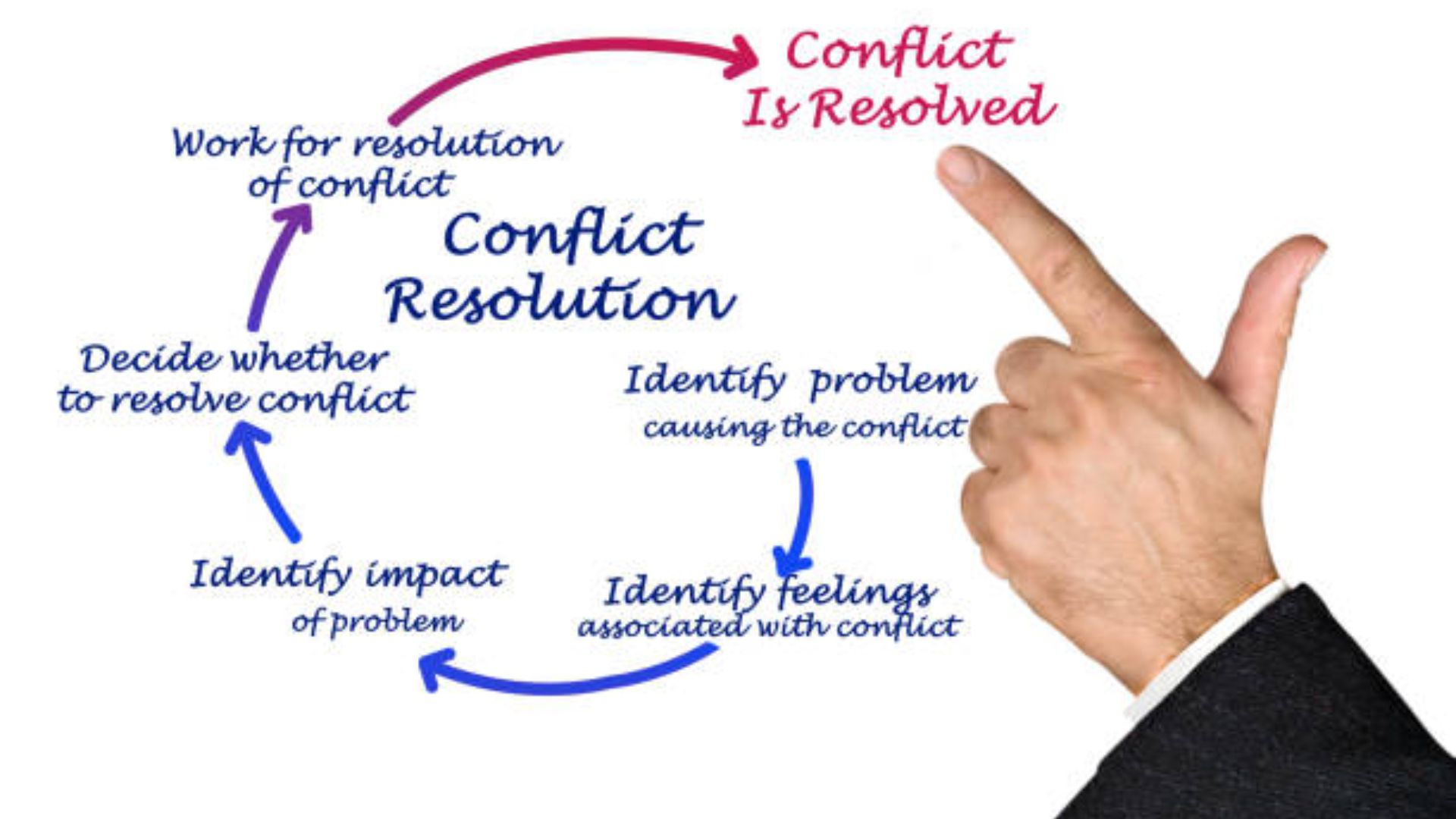
Genuine repair after a conflict involves more than a quick “sorry” offered to end an uncomfortable silence. It requires a few specific components that many men skip in the rush to move past discomfort.
Actually understanding what happened. Repair that skips straight to apology without genuine understanding of the other person’s experience tends to be shallow and often repeats itself. Taking the time to actually hear what hurt them — not just what you did, but what it meant to them — is foundational.
Owning your specific part. Vague apologies (“I’m sorry you’re upset”) often land as deflection rather than repair. Specific ownership (“I’m sorry I dismissed your concern instead of actually listening”) signals real understanding and is far more likely to land as genuine.
Addressing impact, not just intent. Many men default to explaining their intentions when a conflict happens — “I didn’t mean it that way.” While intent matters, leading with it before acknowledging impact often reads as prioritizing your own comfort over the other person’s experience. Impact first, explanation second, if it’s needed at all.
A real change, not just words. Repair that isn’t followed by any behavioral change eventually loses credibility. If the same conflict keeps recurring despite repeated “repairs,” the repair itself likely isn’t addressing the actual underlying issue.
The Humility Repair Requires
Real repair requires a kind of humility that’s uncomfortable for a lot of men — admitting fault without immediately defending yourself, sitting with someone else’s hurt without rushing to minimize it or explain it away. And accepting that being right about the facts doesn’t excuse how you handled the moment.
This humility isn’t weakness. It’s a specific kind of strength — the willingness to prioritize the relationship over your own ego in the moment it matters most. Men who can do this consistently tend to build relationships with far more resilience than men who never appear to make mistakes but also never genuinely repair the ones they do make.
Rebuilding Trust Takes Time
One honest repair conversation rarely undoes damage instantly, particularly after a significant rupture or a pattern of smaller ones. Trust rebuilds through consistent behavior over time, not through a single well-delivered apology. Understanding this helps prevent frustration when a partner or friend doesn’t immediately return to full trust. And closeness right after a repair attempt — the repair is the start of rebuilding, not the completion of it.
When Repair Isn’t Reciprocated
Repair works best when it flows both directions. A relationship where one person consistently does the work of repair while the other never reciprocates. Or takes ownership isn’t actually being repaired — it’s being managed by one exhausted party. Recognizing this pattern. And being willing to name it directly, is sometimes necessary even though it’s uncomfortable.
This Week’s Practice
Think of a recent conflict, however small, that hasn’t been fully repaired — where an apology was offered but real understanding or behavioral change didn’t follow. Or where the conversation ended before it actually resolved anything. Revisit it this week with the goal of genuine repair rather than just moving past the discomfort.
Learning to repair well, rather than avoid conflict or fight to win it, is easier with brothers who model the same humility. Book a discovery call to learn more about The Sacred Kings brotherhood.
Is there a conflict in your life that got smoothed over without ever being genuinely repaired?